
Articles
In-Depth Analysis & Articles on Socialism & Communism
Clear, well-sourced articles bridging history and the present. Our articles cover thought-provoking analyses of communist dictators and how socialism infiltrates societies to survivor stories and real-world consequences of socialist policies.
What Our Articles Cover:
Communist history: Case studies of how communist regimes gained power in Cuba, China, Cambodia, and beyond.
Survivor stories: Firsthand accounts from people who escaped communist countries.
Economics of socialism: Why socialist economies fail and lessons from failed regimes.
Modern threats: How socialism is infiltrating American institutions and values.
American history: Founding principles, the Constitution, and defense against tyranny.
Comparisons: Socialism, communism, and fascism explained.
Government overreach: Critical analysis of authoritarian policies and their dangers.
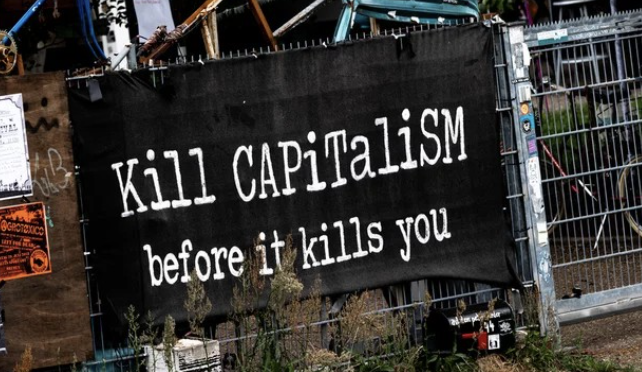
The Mindset That led to Democratic Socialism in America
The Democratic Socialists of America aren't just winning elections.
They're winning something even more important: the battle over how young Americans see themselves.
Over the past decade, DSA membership has surged to120,000, and a third of Democrats identify as democratic socialists. If we want to understand why, we have to look beyond policy proposals because before socialism becomes an economic system, it first takes root as a mindset.

The hegemony still exists
A dangerous complacency has set in, an unintended consequence of the consolidation of a certain anti-Left echo chamber in the U.S. and in other Western nations.
It is true that the triumph of the Trump-Vance ticket in the 2024 U.S. Presidential Election brought back an interesting Center-Right coalition to the White House.
It is also true that this triumph locks in some potential pro-America gains brought forth by a slim Republican majority in both chambers of the U.S. Congress. These electoral successes are strategic victories – in absolute, political terms.
However, in relative terms, these wins are no more than victorious tactical skirmishes in a much, much larger war. In fact, the current era is very far removed from being a time of celebration.

The rapid radicalization of america’s left
Throughout history, political and economic ideologies have shaped societies, influenced governance, and sparked both unity and division. Among the most discussed are Socialism, Communism, and Fascism, each representing distinct approaches to economics, governing, and power.
Understanding these ideologies is crucial, especially when it comes to preserving American freedom and upholding the U.S. Constitution. Misusing and misunderstanding these terms can lead to confusion about history, politics, and policy decisions.

A Lesson With Ludwig
When Ludwig von Mises published his groundbreaking essay "Economic Calculation in the Socialist Commonwealth" in 1920, he issued one of the most important critiques of socialism ever written. At its heart, his argument was simple but devastating. Without private property in the means of production, rational economic calculation becomes impossible.
This insight continues to be a cornerstone for those who want to understand why socialist economies consistently fail to deliver economic growth and abundance.For liberty-minded individuals and citizens interested in preserving our republic, this guide is essential reading.
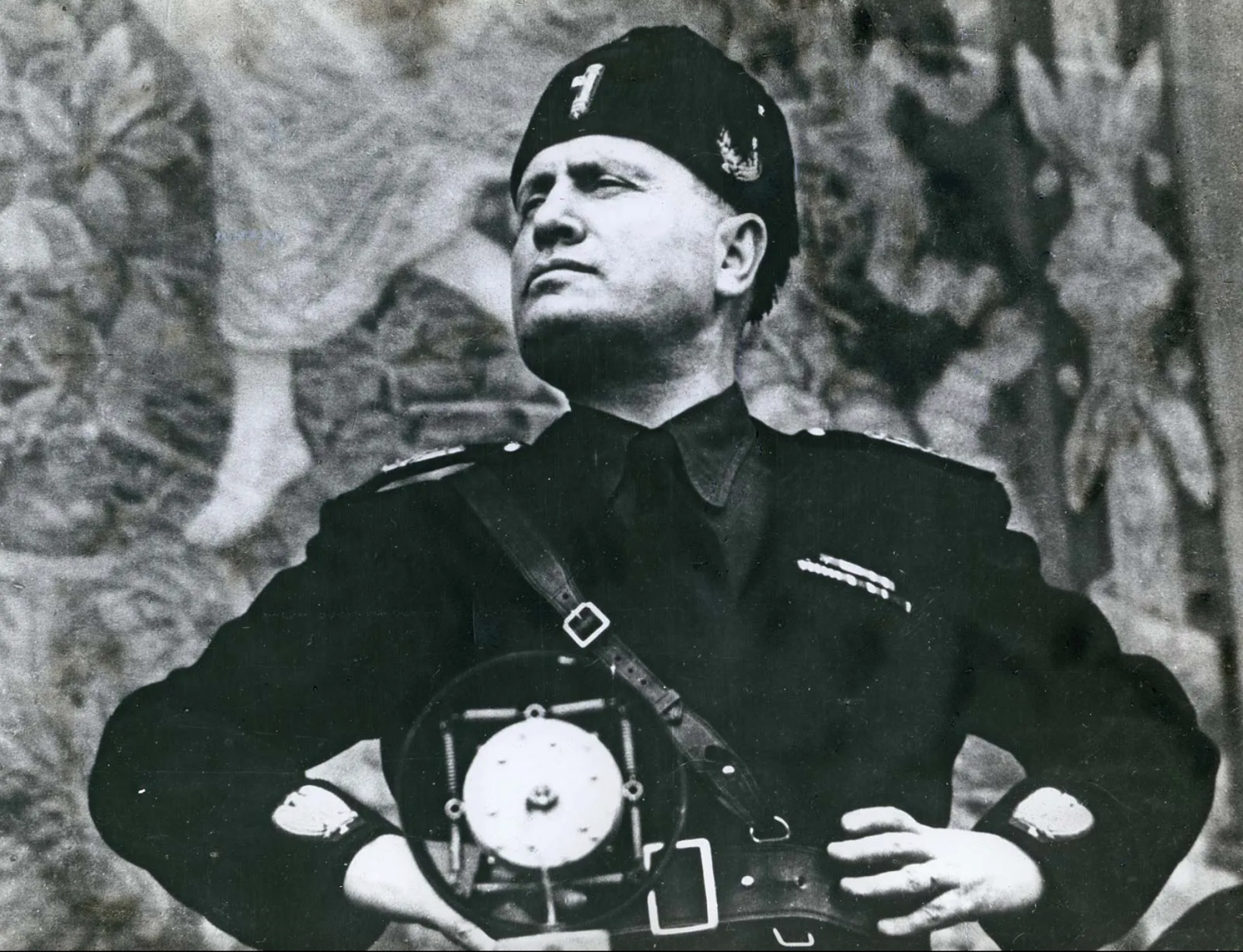
Socialism, Communism, & Fascism Explained
Throughout history, political and economic ideologies have shaped societies, influenced governance, and sparked both unity and division. Among the most discussed are Socialism, Communism, and Fascism, each representing distinct approaches to economics, governing, and power.
Understanding these ideologies is crucial, especially when it comes to preserving American freedom and upholding the U.S. Constitution. Misusing and misunderstanding these terms can lead to confusion about history, politics, and policy decisions.

The Reichstag fire of 1933
On the night of February 27, 1933, flames engulfed the Reichstag building, home to the German Parliament in Berlin. The fire, which reduced much of the structure to ruins, became a pivotal event in German history, as Adolf Hitler and the Nazi Party exploited it to tighten their grip on power.
The circumstances surrounding the fire remain a subject of historical debate, but its consequences were undeniable: it marked a decisive step in Hitler’s transformation from chancellor to dictator.

Remembering the Cambodian Genocide
The Cambodian Genocide, orchestrated by the Khmer Rouge regime under the leadership of Pol Pot from 1975 to 1979, stands as one of the most devastating tragedies of the 20th century.
This period saw the systematic extermination of nearly two million Cambodians, approximately a quarter of the nation's population, through forced labor, starvation, disease, and mass executions.
If you enjoyed reading these articles and would like to help Young Americans Against Socialism create more resources like this, please donate to our cause!